
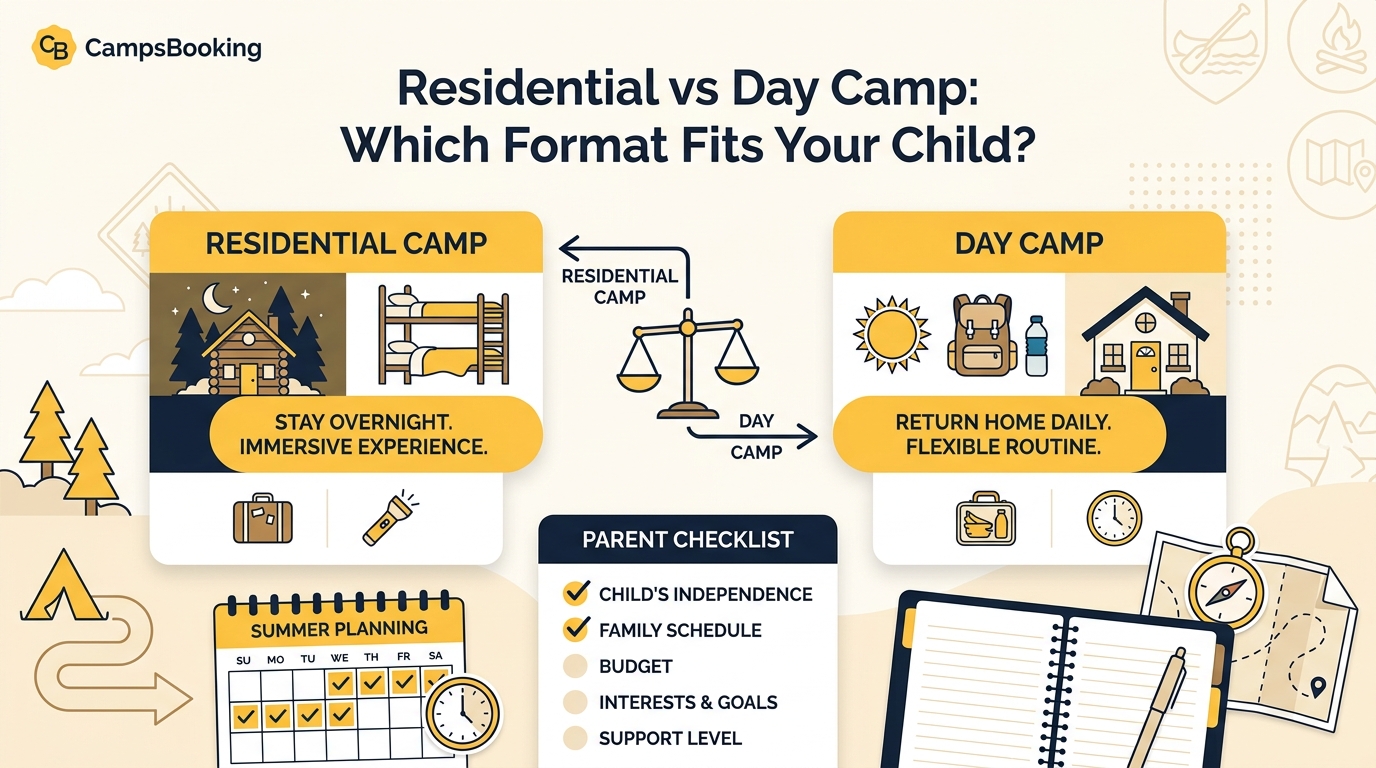
Choosing the right summer camp format can shape your child's vacation into an unforgettable experience.
Summer camps offer a fantastic way for children to explore new interests, gain independence, and make lasting friendships. However, selecting between a residential and a day camp can be challenging. Each format offers unique benefits that cater to different needs and preferences.
Residential camps provide children with an immersive experience, fostering independence and social skills through extended stays. On the other hand, day camps offer flexibility and allow children to enjoy camp activities while returning home each evening.
This guide will help you navigate the decision-making process by comparing the key aspects of both camp formats, ensuring you choose the best option for your child's summer adventure.
Based on research across multiple camp studies.
Compare Residential and Day Camps
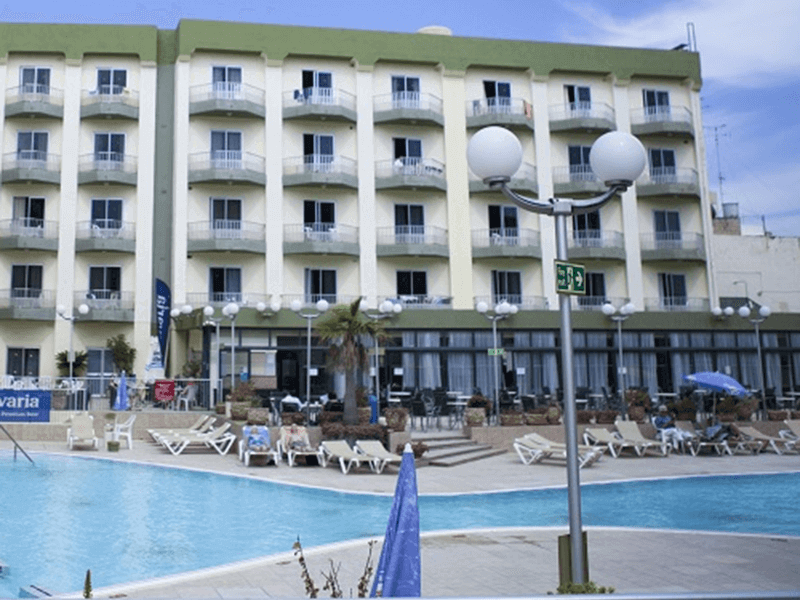
Msida, Malta
From 657 $
Explore camp
Montpellier, France
From 323 $
Explore camp
Les Diablerets, Switzerland
From 1710 $
Explore camp
Chesières (Villars-sur-Ollon), Switzerland
From 4646 $
Explore camp
London, United Kingdom
From 2093 $
Explore camp
London, United Kingdom
From 1148 $
Explore camp
Canterbury, United Kingdom
From 1169 $
Explore camp
Cambridge, United Kingdom
From 1104 $
Explore camp
Oxford, United Kingdom
From 589 $
Explore camp
Stamford, United Kingdom
From 2188 $
Explore camp
London, United Kingdom
From 242 $
Explore camp
Biarritz, France
From 1313 $
Explore camp
Schönried, Switzerland
From 1693 $
Explore camp
Brighton, United Kingdom
From 288 $
Explore camp
London, United Kingdom
From 641 $
Explore camp
London, United Kingdom
From 1818 $
Explore camp
London, United Kingdom
From 641 $
Explore camp
London, United Kingdom
From 1834 $
Explore camp
Bristol, United Kingdom
From 521 $
Explore camp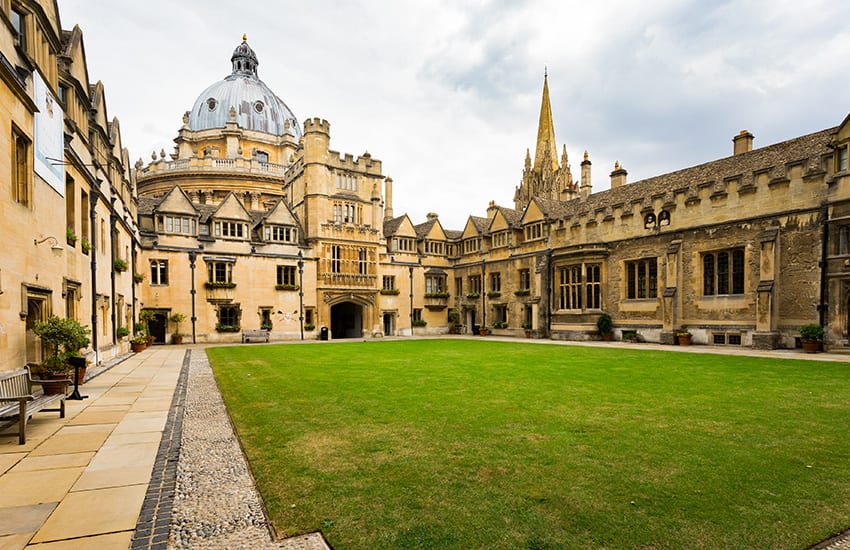
Oxford, United Kingdom
From 1035 $
Explore camp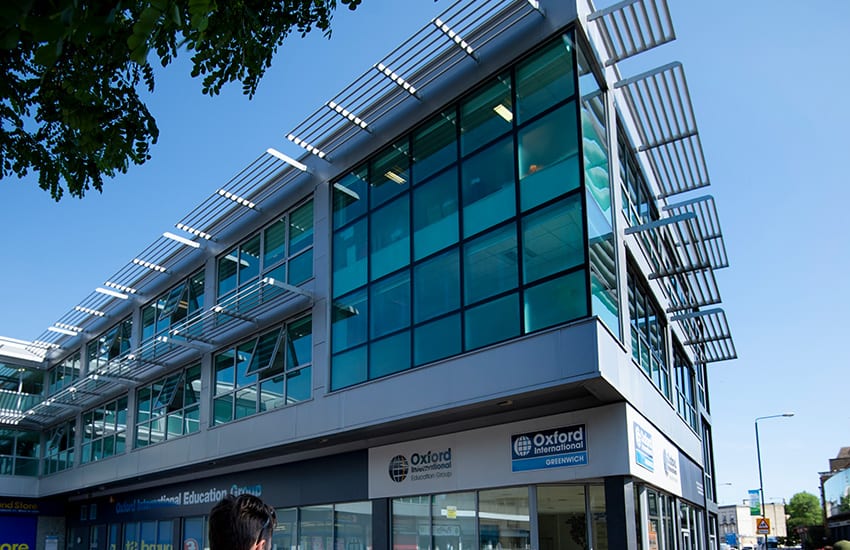
London, United Kingdom
From 1114 $
Explore camp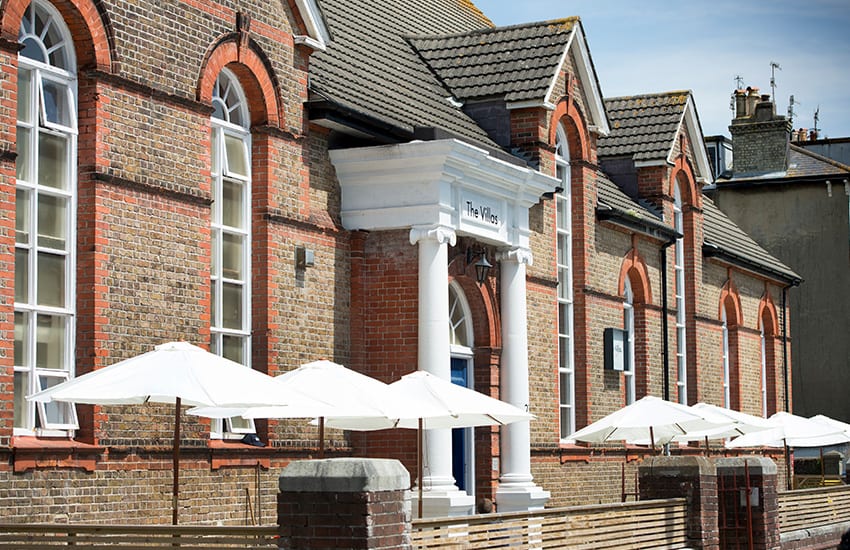
Brighton, United Kingdom
From 1090 $
Explore camp
Edinburgh, United Kingdom
From 1090 $
Explore camp
Winchester, United Kingdom
From 1248 $
Explore campKey Takeaways
Builds Social Skills
Camps provide children with a platform to develop teamwork and public speaking abilities.
Encourages Independence
Both residential and day camps promote self-reliance and decision-making skills.
Flexible Scheduling
Day camps offer scheduling flexibility, making them ideal for busy families.
Immersive Learning
Residential camps immerse children in a 24/7 learning environment.
Physical Activity Boost
Daily movement and outdoor play counteract sedentary behavior during breaks.
Focus on Youth Development
Overnight camps emphasize the development of youth social skills.

Why Parents Choose This
Fosters Independence and Growth
Residential camps provide an environment where children can develop independence and responsibility through immersive experiences, away from home comforts.
Flexibility of Day Camps
Day camps offer the perfect solution for families seeking structured activities without the commitment of overnight stays, allowing children to return home each evening.
Enhanced Social Skills
Both residential and day camps are designed to enhance social skills through teamwork, communication, and cooperative activities.
Ultimately, choosing between a residential or day camp depends on your child's readiness and family preferences. Each offers unique advantages that cater to different needs.
Understanding Camp Costs
Camp costs vary widely based on type, duration, and location. Residential camps often have higher fees due to accommodation and meal services.
What's Typically Included
- ✓Daily meals and snacks
- ✓Accommodation for residential camps
- ✓Full schedule of activities
- ✓Qualified supervision and safety measures
- ✓Camp t-shirt and gear
Factors That Affect Price
Type of camp
Residential camps are generally more expensive due to added accommodation costs.
Duration of stay
Longer stays increase overall costs but may offer better per-day rates.
Specialized programs
Camps offering specific activities like horseback riding or tech workshops may charge more.
Tips to Get the Best Deal
- →Book early to secure early-bird discounts
- →Inquire about sibling discounts for multiple enrollments
- →Consider local day camps to save on travel expenses
Investing in a camp experience offers invaluable personal growth and memories that last a lifetime.
Frequently Asked Questions
Explore Camp Options for a Memorable Summer
Choosing the right camp format is a crucial decision for your child's summer. Compare residential and day camps to find the perfect fit that aligns with your child's interests and your family’s needs.
Most families start planning 6 months ahead.
Recommended services
Some links may be affiliate partnerships.
Compare flights to Europe
Get an eSIM Global
Top picks


Price guide
- From (p25)
- 2073
- Median
- 3080
- Camps in sample
- 1